Single session
90 minutes
A complete session in its own right, either as an introduction to the work or with a particular area or concern in mind.
Anatomy Trains Structural Integration · London W1
Structural Integration is for people who sense that a recurring problem may be part of a bigger pattern. Rather than focusing only on the area that hurts or feels restricted, the work looks at how the whole body is organised through posture, movement, load and the fascial network that connects them.
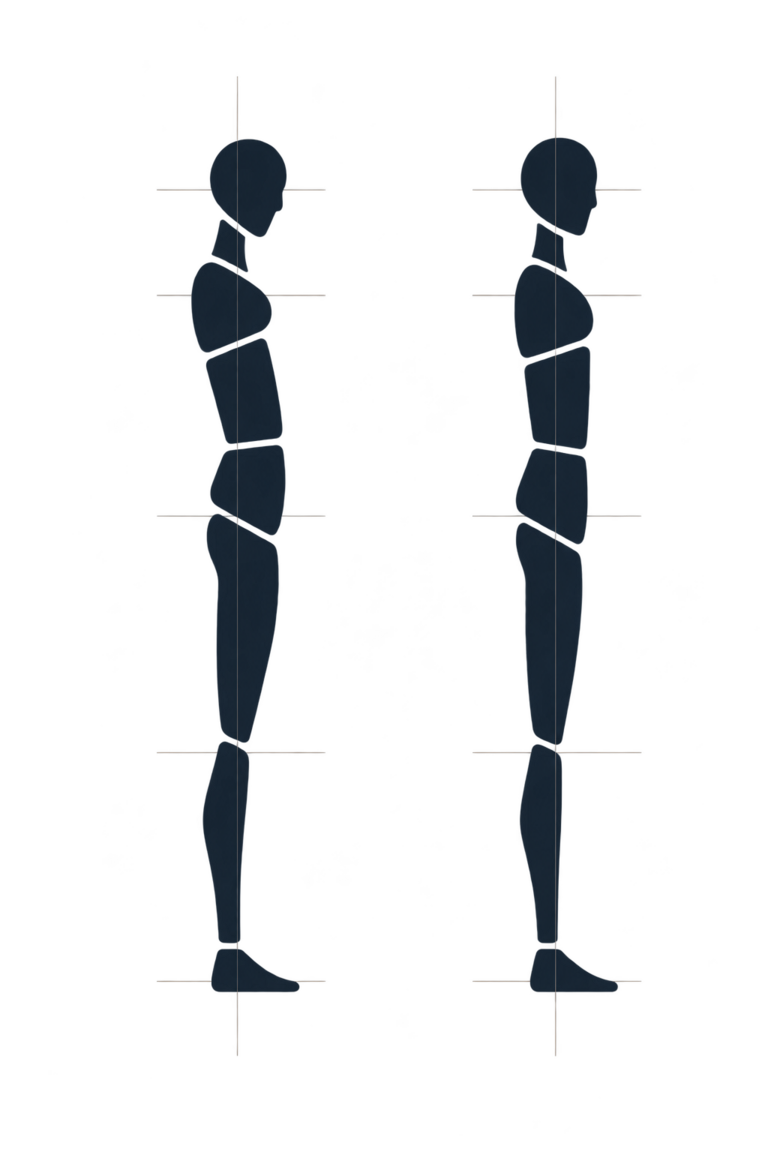
Many people come to the work with a sense that what they are experiencing cannot be fully understood through the place in which it is showing up, and are looking for an approach able to consider the wider pattern.
Grounded in anatomy, fascia and detailed knowledge of biomechanics.
Looking beyond the site of symptoms to the wider patterns of posture and movement in which they appear.
Available as a single session, a three-session introduction or the complete twelve-session ATSI series.
Fascia forms a continuous network throughout the body, connecting and communicating between its different structures. Tension or restriction in one area may therefore affect how movement, weight and support are organised elsewhere.
Structural Integration looks at these relationships across the body as a whole, rather than approaching each area in isolation. Observation, conversation and hands-on work are brought together to understand not only what is happening structurally, but how that particular organisation has developed and how it is experienced by the person.
Movement is often incorporated into the work itself. This allows changes to be explored actively and gives you an opportunity to reconnect with areas of lost awareness, while experiencing different possibilities for support, coordination and movement.
Learn more about Structural Integration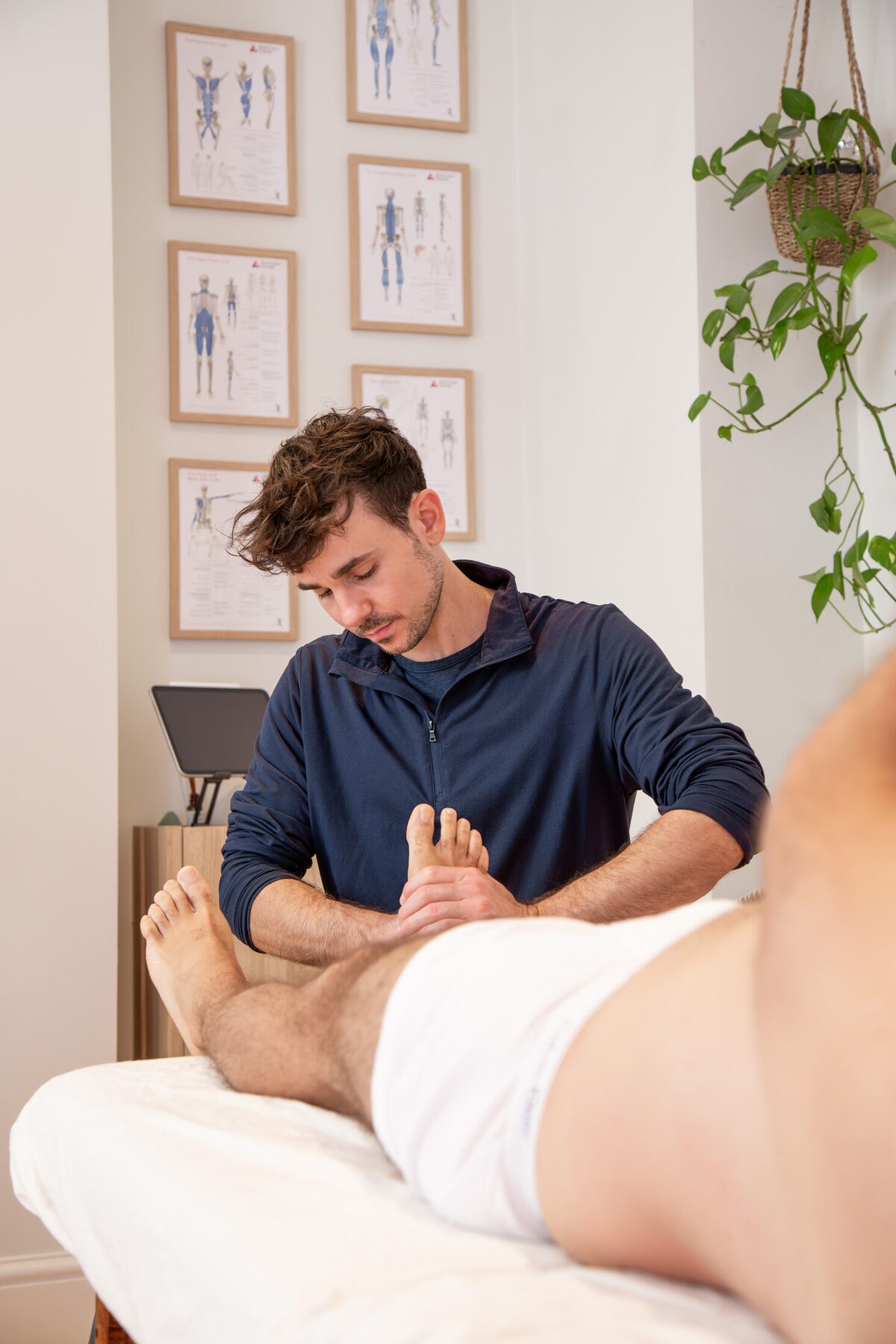
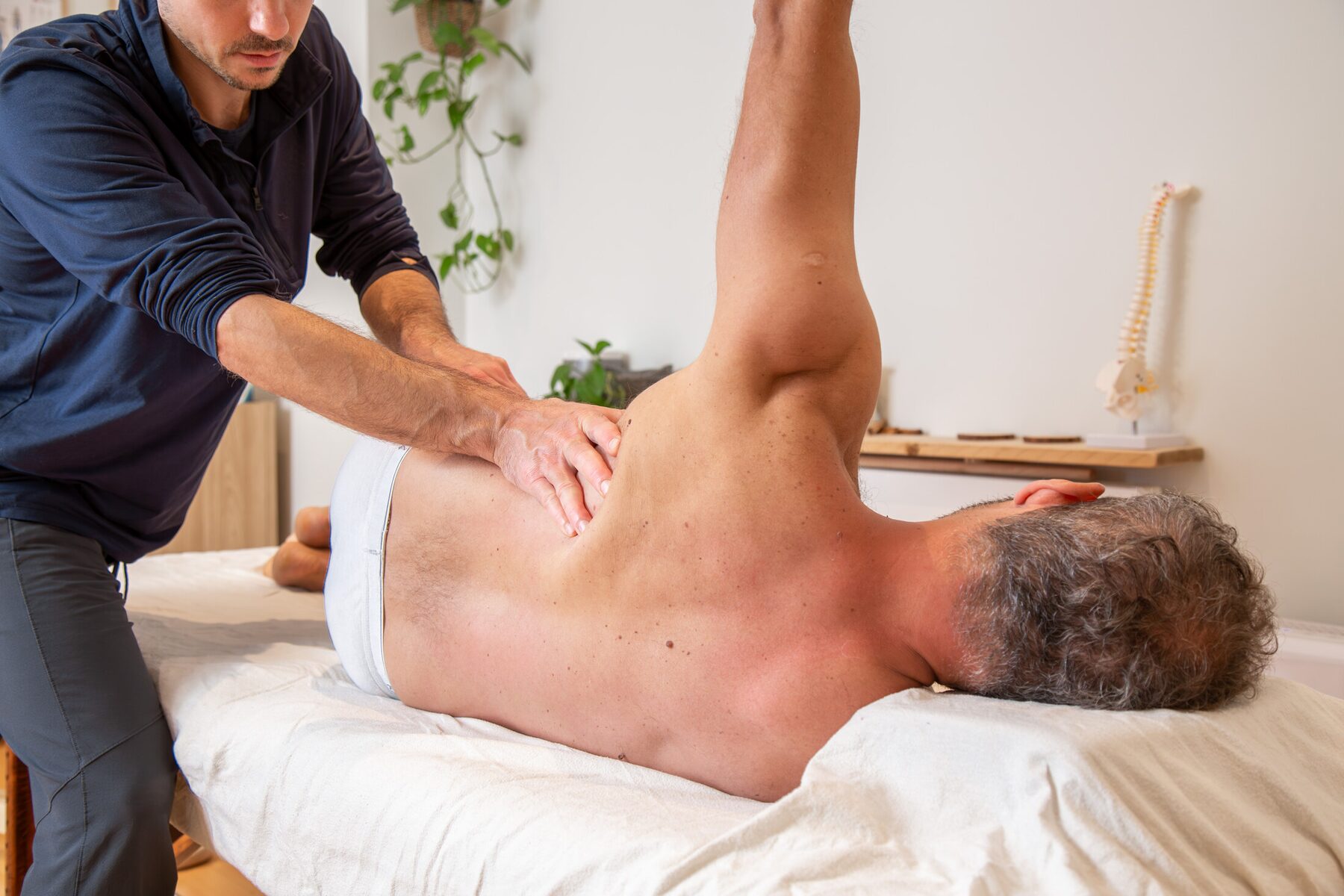
There can be considerable overlap between Structural Integration, physiotherapy and osteopathy, particularly as individual practitioners may work in very different ways. The distinction is therefore not always a simple one, but lies partly in what each approach is setting out to understand and how the work is organised.
* Structural Integration does not diagnose or treat medical conditions and is not a substitute for appropriate medical care.
Every session begins with BodyReading—observing how you stand and move—before progressing into hands-on work and active movement.
90 minutes
A complete session in its own right, either as an introduction to the work or with a particular area or concern in mind.
3 × 90 minutes
A short series that begins to explore broader relationships across the body and gives you an opportunity to experience how the work develops from one session to the next.
12 × 90 minutes
The complete Anatomy Trains Structural Integration series. Each session has its own intention while progressively contributing to the greater process of addressing the individual patterns and structural deviations that are unique to you.
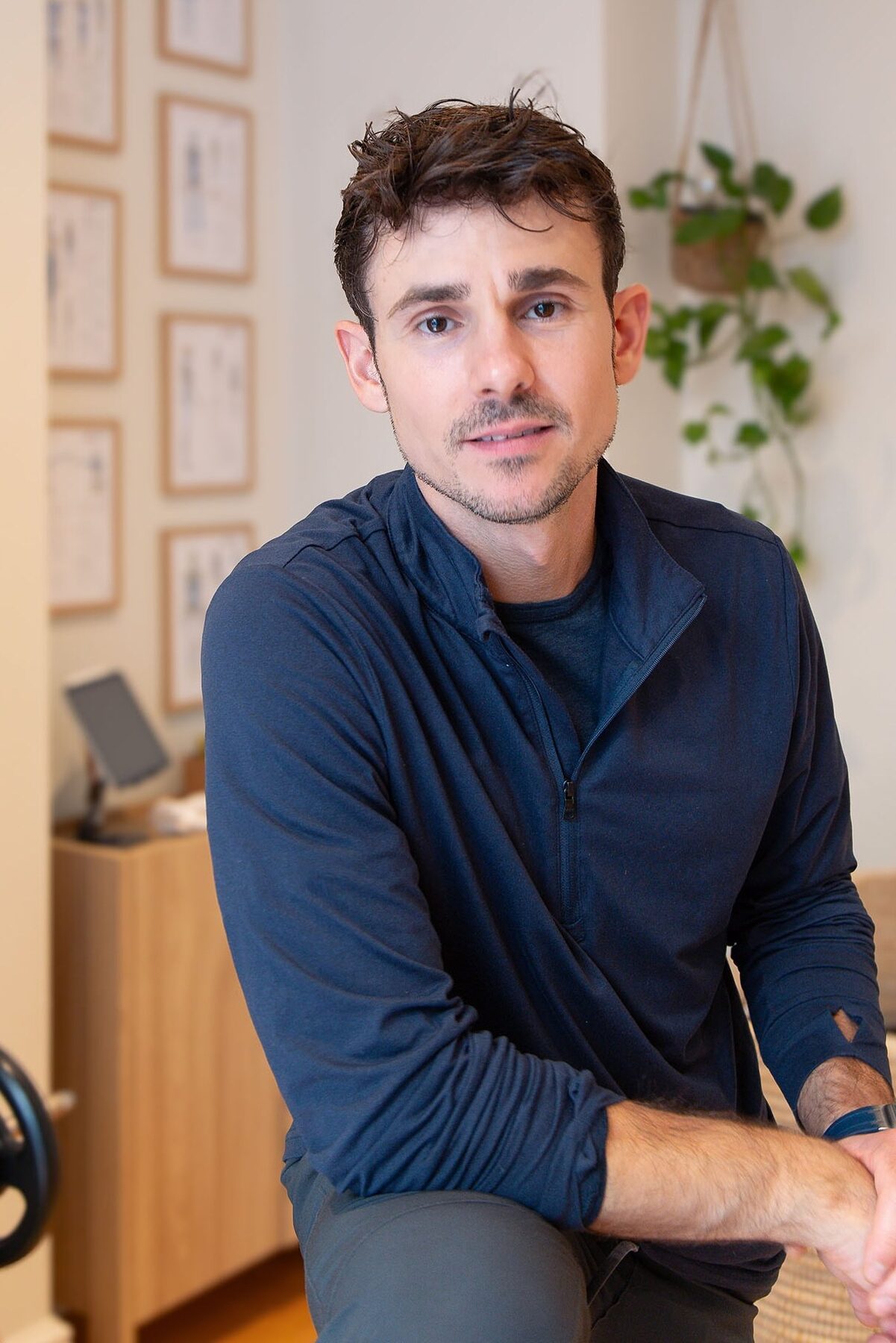
“Chris is calm and methodical. His approach to the sessions is serious, professional and intuitive.”
A personal understanding of pain, movement and the need to be met as a whole person
Chris Darmanin is an Anatomy Trains Structural Integrator whose approach has been shaped by professional ballet, a personal history of pain and many years exploring movement and the ways in which people adapt around limitation.
Pain became a significant part of Chris’s life quite early on, and the demands of professional ballet exacerbated this, resulting in a number of injuries and multiple surgeries. Throughout this time, he often felt that the support available to him created more confusion and certainly did not hold the fuller experience of the person having to live through it.
Missing the kind of whole-person support he felt he needed during those years has become an important part of how he now works. His approach is attentive and intuitive, informed by a detailed eye for movement and the subtle ways in which people organise, compensate and adapt around restriction. The work moves at a pace the person is able to experience, digest and integrate.
What excites Chris most about Structural Integration is not only the structural changes that can take place, but how those changes may resonate out into a person’s life: into the more intimate relationship they have with their own body, and into the way they show up in their relationships with others and with the world around them.
A personal understanding of pain, movement and the need to be met as a whole person
Chris Darmanin is an Anatomy Trains Structural Integrator whose approach has been shaped by professional ballet, a personal history of pain and many years exploring movement and the ways in which people adapt around limitation.
Pain became a significant part of Chris’s life quite early on, and the demands of professional ballet exacerbated this, resulting in a number of injuries and multiple surgeries. Throughout this time, he often felt that the support available to him created more confusion and certainly did not hold the fuller experience of the person having to live through it.
Missing the kind of whole-person support he felt he needed during those years has become an important part of how he now works. His approach is attentive and intuitive, informed by a detailed eye for movement and the subtle ways in which people organise, compensate and adapt around restriction. The work moves at a pace the person is able to experience, digest and integrate.
What excites Chris most about Structural Integration is not only the structural changes that can take place, but how those changes may resonate out into a person’s life: into the more intimate relationship they have with their own body, and into the way they show up in their relationships with others and with the world around them.
“Chris is calm and methodical. His approach to the sessions is serious, professional and intuitive.”
A calm studio setting in Central London for focused one-to-one work.
Tell me a little about what you are noticing in your body and what you have already tried. I read every enquiry myself.